


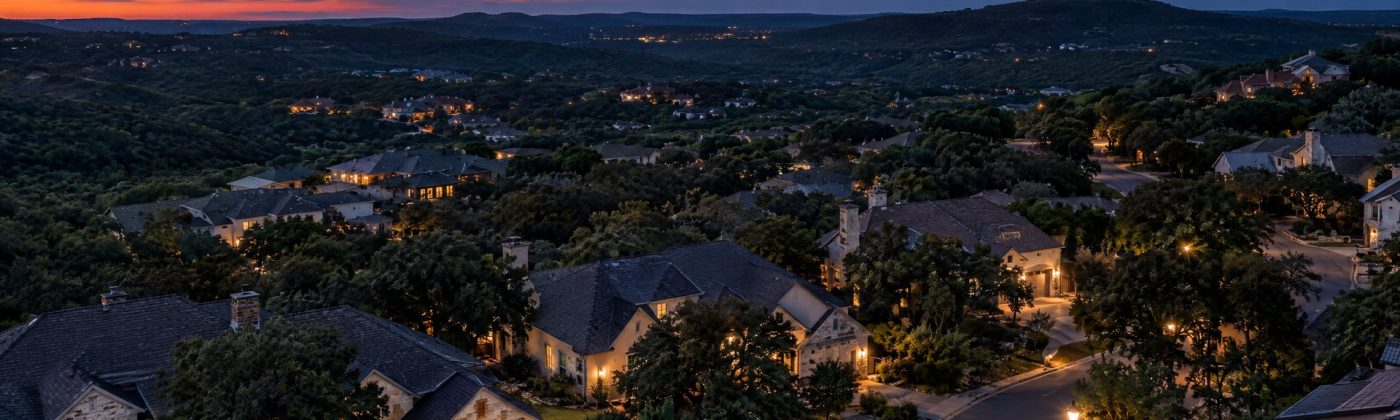
Texas Lighting Regulations: A Bird’s Eye View, From State Law to Your Street
Texas does not have one lighting law. It has a stack of them, and which layer applies to you depends on who is paying for the light, where the property sits, and whether the work needs a permit. A homeowner in South Austin, a ranch in Jeff Davis County and a strip center in Dripping Springs live under very different rules, even though all three are “in Texas.”
This guide works through that stack from the top down: federal product rules, state statutes, the counties around observatories and military bases, the building, energy and electrical codes, city ordinances, and finally the HOA and the neighbor. For each layer it says who is actually covered, because most confusion about Texas lighting regulations comes from assuming a rule written for one group applies to everyone.
An earlier version of this article described a “McDonald Observatory Protection Zone” with a 1,000-lumen cap, county sheriffs on night patrols, and Alpine rebates of up to $2,000. We could not find any of that in Texas law or county records, so it is gone. Everything below is tied to a statute, code or ordinance you can read yourself, listed under Sources.
The short version: which rules apply to you
| Who you are | Rules that actually bind you |
|---|---|
| Homeowner in Austin, existing house, swapping fixtures | Federal lamp efficiency rules (through what stores can sell), the electrical code if you rewire, your HOA covenants, and nuisance law if your light bothers a neighbor |
| Building or remodeling a home in Austin with a permit | All of the above plus Austin’s adopted energy code (2024 IECC with local amendments) and electrical code |
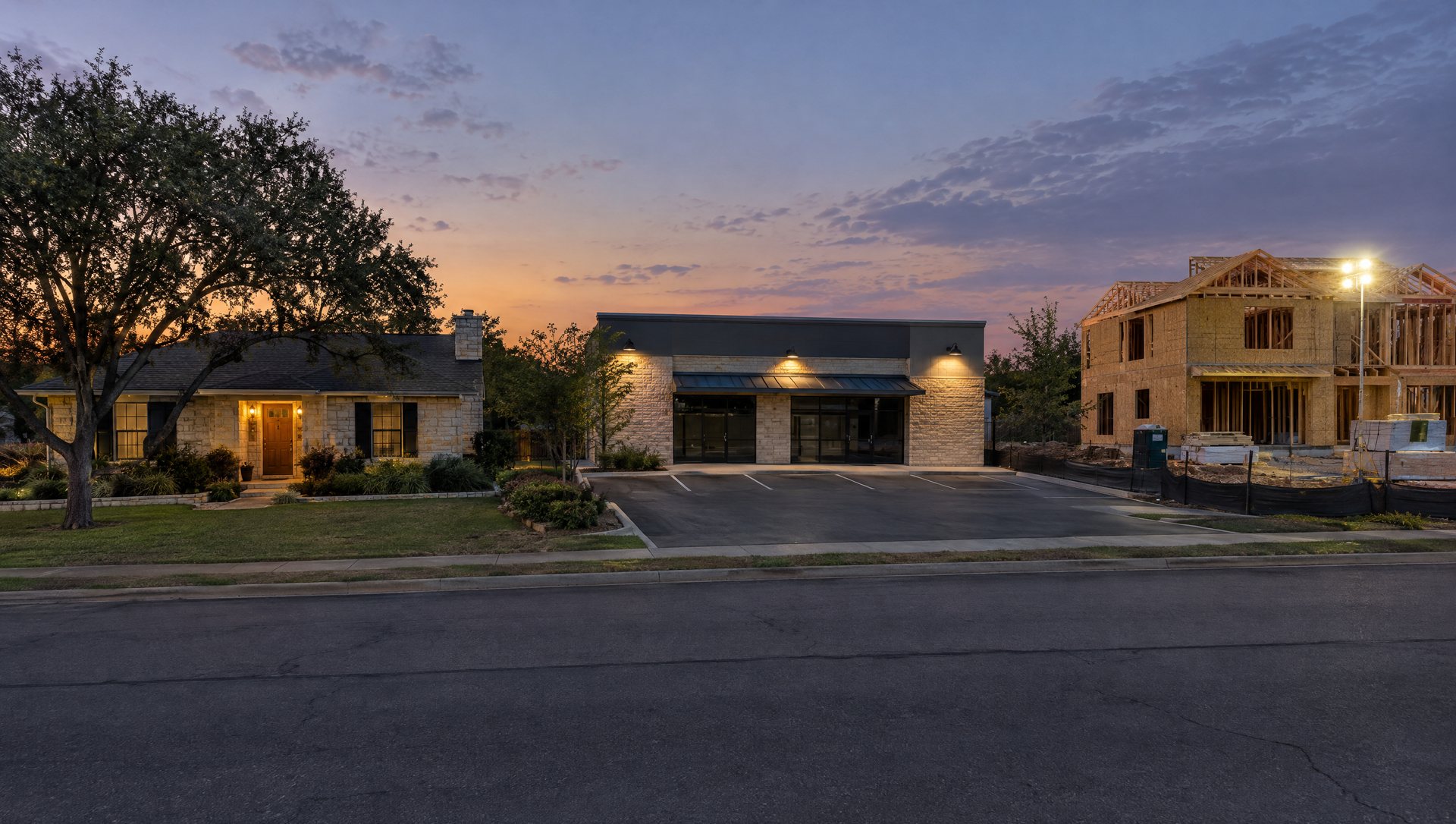
| Commercial, mixed-use or multifamily site in Austin | Austin’s Subchapter E exterior lighting standards (fully shielded or full cut-off fixtures), plus energy and electrical codes |
| Any property in a Hill Country dark-sky city | That city’s outdoor lighting ordinance, which can reach homes as well as businesses |
| Property in a county within 57 miles of McDonald Observatory | County orders (unincorporated areas) or city ordinances required by state law |
| A project paid for with state money | Texas Health and Safety Code Chapter 425 |
Layer 1: Federal rules on the bulbs themselves
The federal government does not tell you where to aim a porch light, but it does control which lamps can be sold. Under Department of Energy rules, general service lamps sold in the U.S. must reach at least 45 lumens per watt, a level ordinary incandescent bulbs cannot meet. That is why the screw-in bulbs on Austin store shelves are now almost all LED.
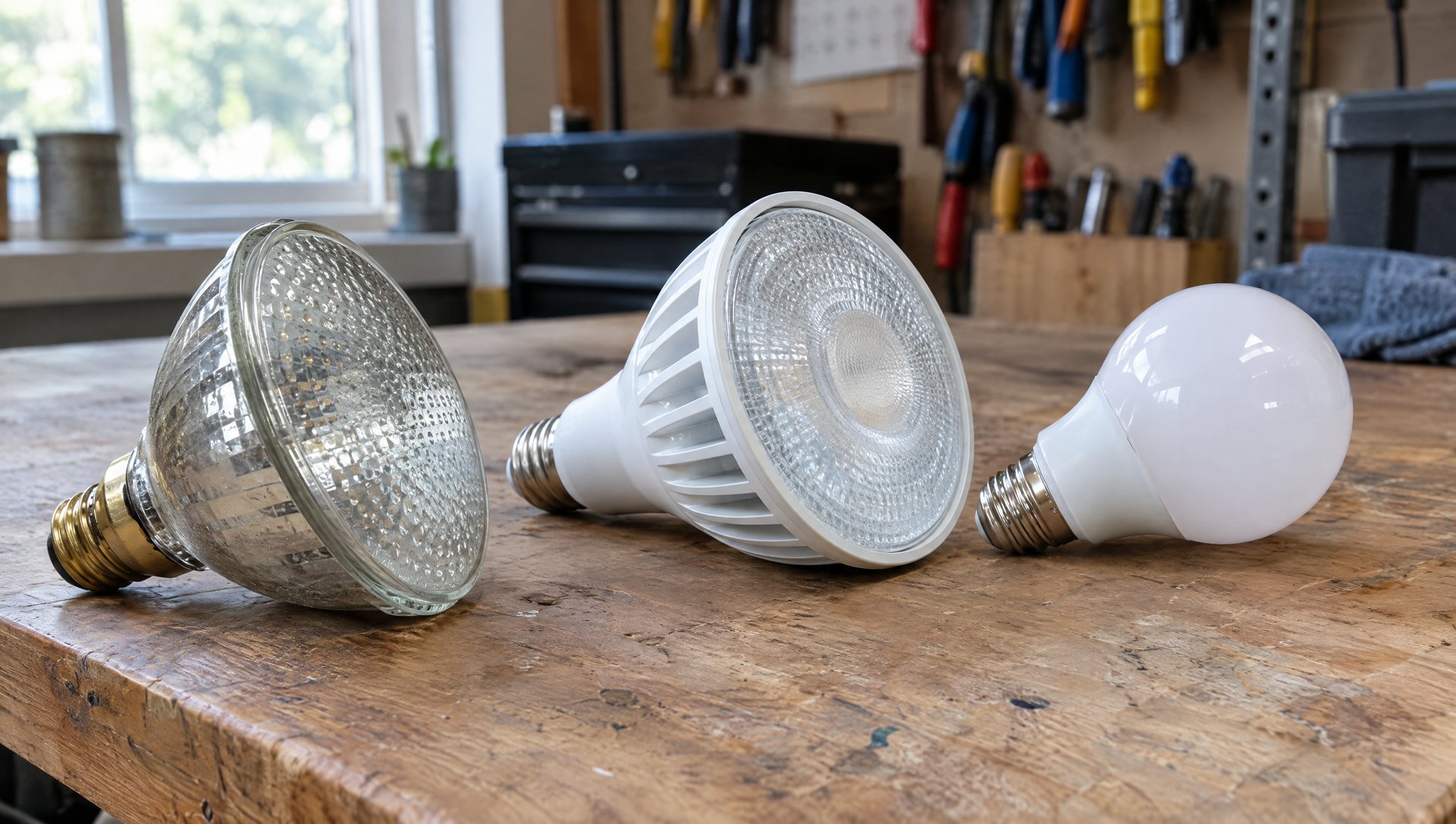
DOE finalized a stricter standard in April 2024 that would raise the bar to roughly 120 lumens per watt for the most common bulbs, with compliance required from July 25, 2028. In practice that standard leaves LED as the only technology that qualifies. Congress has debated rolling federal bulb standards back, so check DOE’s general service lamp page before you plan around that date.
For a homeowner, the takeaway is simple. You are not breaking a law by keeping an old halogen floodlight in service. You just will not find many replacements, and the LED that replaces it will use a fraction of the power.
Layer 2: What Texas state law actually says
State-funded outdoor lighting (Health and Safety Code Chapter 425)
Texas’s only general light-pollution statute is narrow. Chapter 425 of the Health and Safety Code, in effect since September 1, 1999, applies to outdoor lighting installed, replaced, maintained or operated using state funds. For those fixtures:
- Any new or replacement fixture rated above 1,800 lumens must be a cutoff luminaire. The statute defines that as a fixture that sends 2.5% or less of its lamp lumens above horizontal and 10% or less above 80 degrees.
- The lighting must use the minimum illuminance adequate for its purpose, with consideration given to nationally recognized standards.
- On state highways, TxDOT must first decide that reflective markers, striping or signs cannot do the job.
- The agency must give “full consideration” to energy conservation, glare, light pollution and “preserving the natural night environment.”
There are exceptions for federal preemption, emergencies, temporary night work, special events, purely aesthetic lighting and compelling safety needs.
What Chapter 425 does not do is regulate your house or your store. If no state money is involved, it does not apply. It still matters to you indirectly, because it set the vocabulary (cutoff, 1,800 lumens, glare) that many local ordinances borrowed.
Counties near observatories and military bases (Local Government Code Chapter 240)
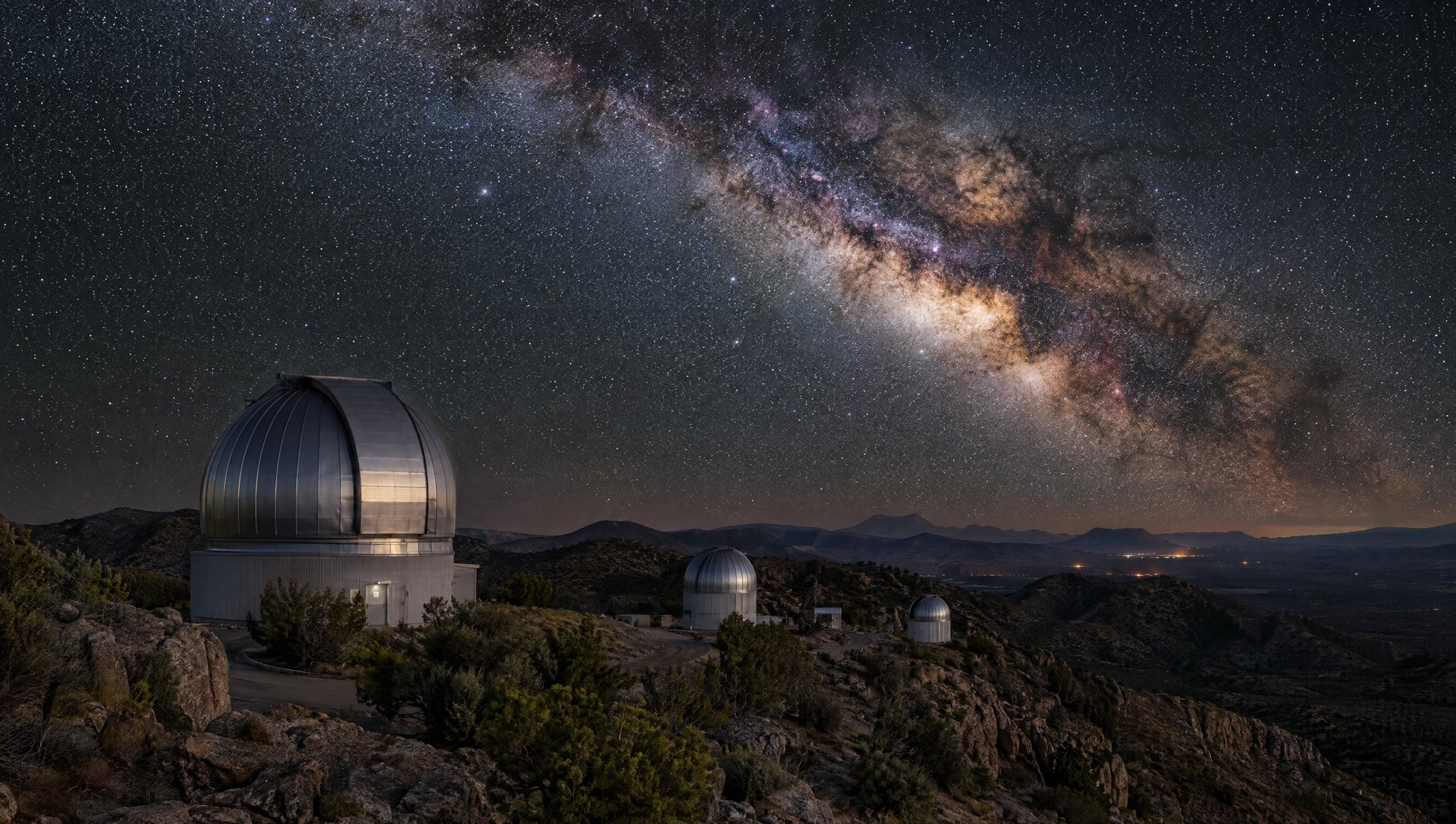
This is the part of Texas law that the “West Texas regulations” in older articles garble. Local Government Code Section 240.032 says the commissioners court of any county within 57 miles of a major astronomical observatory at the McDonald Observatory shall adopt orders regulating outdoor lighting in the county’s unincorporated areas. The observatory sits in Jeff Davis County. A 2011 bill, HB 2857, changed that duty from optional to mandatory starting January 1, 2012.
The statute lets those counties:
- require a county permit before certain outdoor lighting is installed,
- charge a fee to cover the permit,
- prohibit types of lighting that interfere with the observatory,
- set shielding requirements, and
- regulate the hours certain lighting may be used.
Counties within five miles of the George Observatory (Fort Bend County) or the Stephen F. Austin State University Observatory may adopt similar orders when the observatory’s director asks. The same section lets a county with more than one million people and at least five U.S. military bases, plus qualifying neighboring counties, regulate lighting within five miles of a base at the commanding officer’s request. In practice that describes the San Antonio area. Existing utility, agricultural and correctional lighting near a base is protected by an exception in Section 240.0325.
Cities in those McDonald Observatory counties must also adopt lighting ordinances and subdivision lighting standards under Local Government Code Chapter 229, Subchapter B. Lighting that existed or was under construction on January 1, 2012 is exempt, and so is utility-owned lighting.
Penalties: violating one of these county orders or city ordinances is a Class C misdemeanor, which in Texas carries a fine of up to $500. The county or district attorney can also sue to stop a violation. That is the real enforcement structure. It does not include special sheriff patrols or $1,500 business fines.
The specific numbers, such as lumen limits, color temperature caps and curfews, live in each county’s or city’s own order. Read the one for the place you are building.
Dark-sky places are designations, not laws
The Greater Big Bend International Dark Sky Reserve was certified in April 2022 and, according to McDonald Observatory, is the largest International Dark Sky Place to date at about 15,000 square miles across West Texas and northern Mexico. A designation like that comes from DarkSky International and depends on local ordinances and voluntary work. The designation does not create rules of its own; the city or county ordinance behind it does.
Layer 3: Energy and electrical codes
Energy code: the state minimum versus Austin
Health and Safety Code Section 388.003 sets Texas’s statewide energy code. For single-family homes it is the energy chapter of the International Residential Code as it existed on May 1, 2015 (in effect since September 1, 2016). For commercial and other construction it is the International Energy Conservation Code, which the State Energy Conservation Office (SECO) can update; the 2015 edition is the last statewide update we could confirm. SECO opened public comment on the 2024 editions in October 2025. Check SECO for where that stands before relying on the statewide edition.
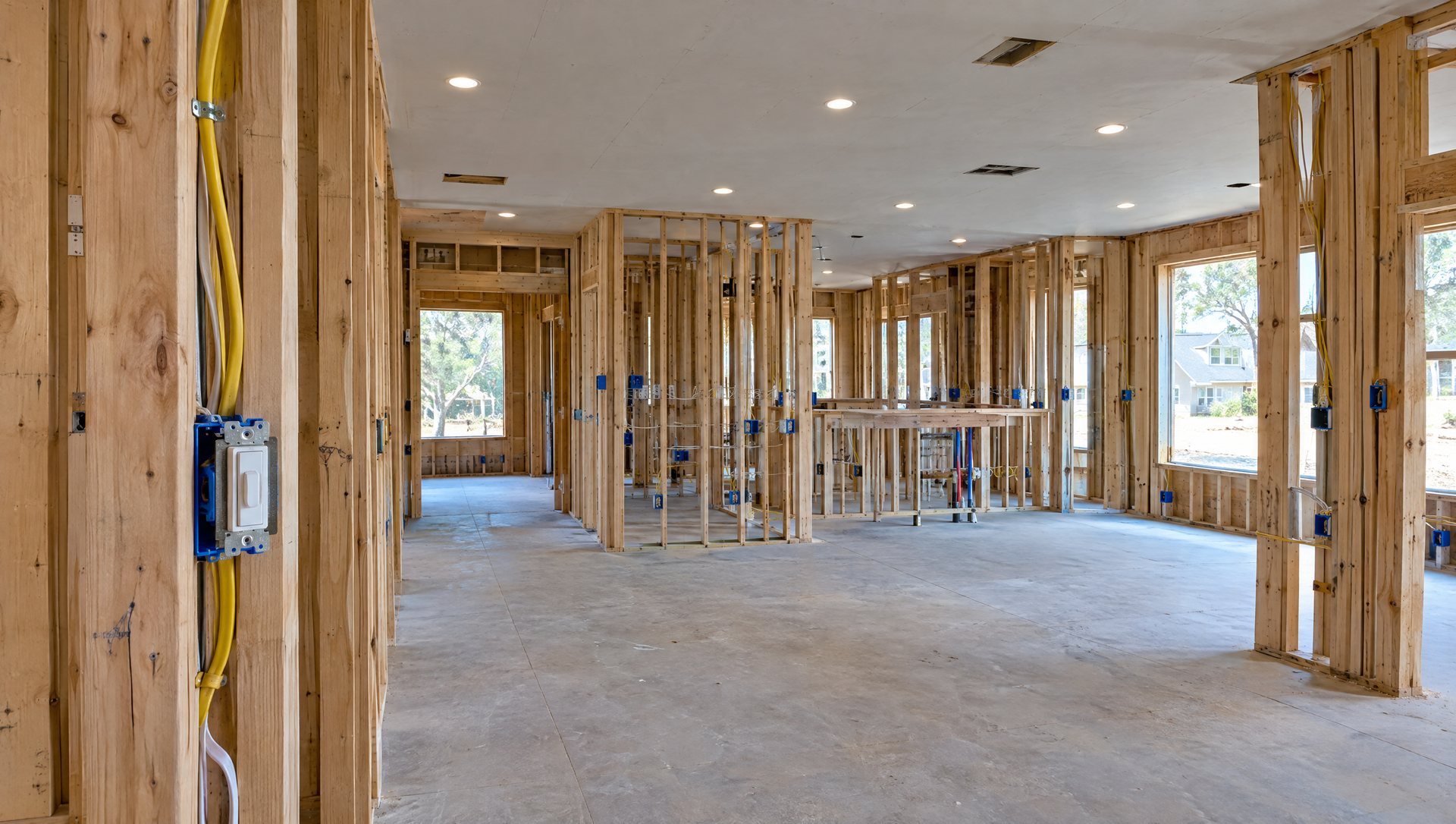
Cities can adopt newer codes and stricter local amendments, and Austin has. The City of Austin’s 2024 technical codes, including the 2024 IECC, took effect July 10, 2025. For lighting, the 2024 residential energy code requires permanently installed fixtures to be high-efficacy: luminaires of at least 45 lumens per watt or lamps of at least 65 lumens per watt, with limited exceptions. It also requires controls, a dimmer or automatic shutoff, on most permanently installed interior lighting in habitable spaces. These rules bite at permit time, on new construction and qualifying remodels, not on the bulb you change on a Saturday.
Electrical code: NEC 2026 as of September 1, 2026
The Texas Department of Licensing and Regulation adopted the 2026 National Electrical Code as the state electrical code effective September 1, 2026, with a limited exception for GFCI protection on certain outdoor outlets. Austin’s code page lists the 2026 NEC effective the same day, replacing the 2023 edition that came in with the July 2025 code package. Permits applied for on or after September 1, 2026 are reviewed under the 2026 NEC.
Who can do the work is a separate question. The Texas Electricians Licensing Act (Occupations Code Chapter 1305) generally requires a licensed electrician, but it exempts work in or on a dwelling by a person who owns and lives in it, unless a city ordinance specifically regulates that work. Austin does require permits for much residential electrical work, so check with Development Services before you add a circuit. Our post on when landscape lighting needs an electrician walks through the low-voltage side of this.
Layer 4: City ordinances, with Austin and the Hill Country compared
Austin
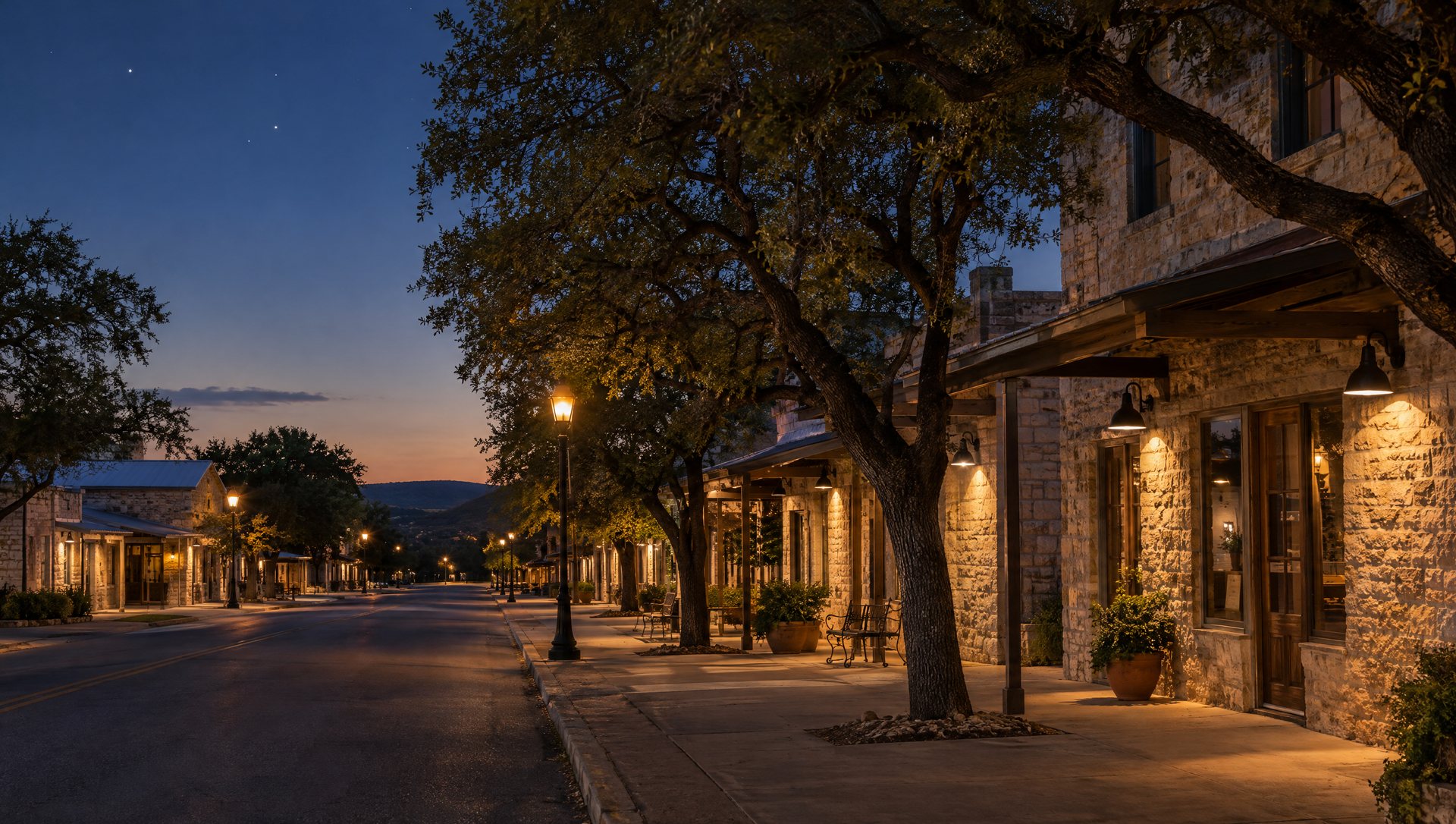
Austin’s main outdoor-lighting standard is in Land Development Code Chapter 25-2, Subchapter E (Design Standards and Mixed Use), Section 2.5. That subchapter governs commercial, retail, mixed-use and similar site development. Section 2.5 requires fully shielded or full cut-off fixtures for:
- public street and pedestrian lighting
- parking lots
- pathways
- recreational areas
- billboards
- product display areas
- building overhangs and open canopies
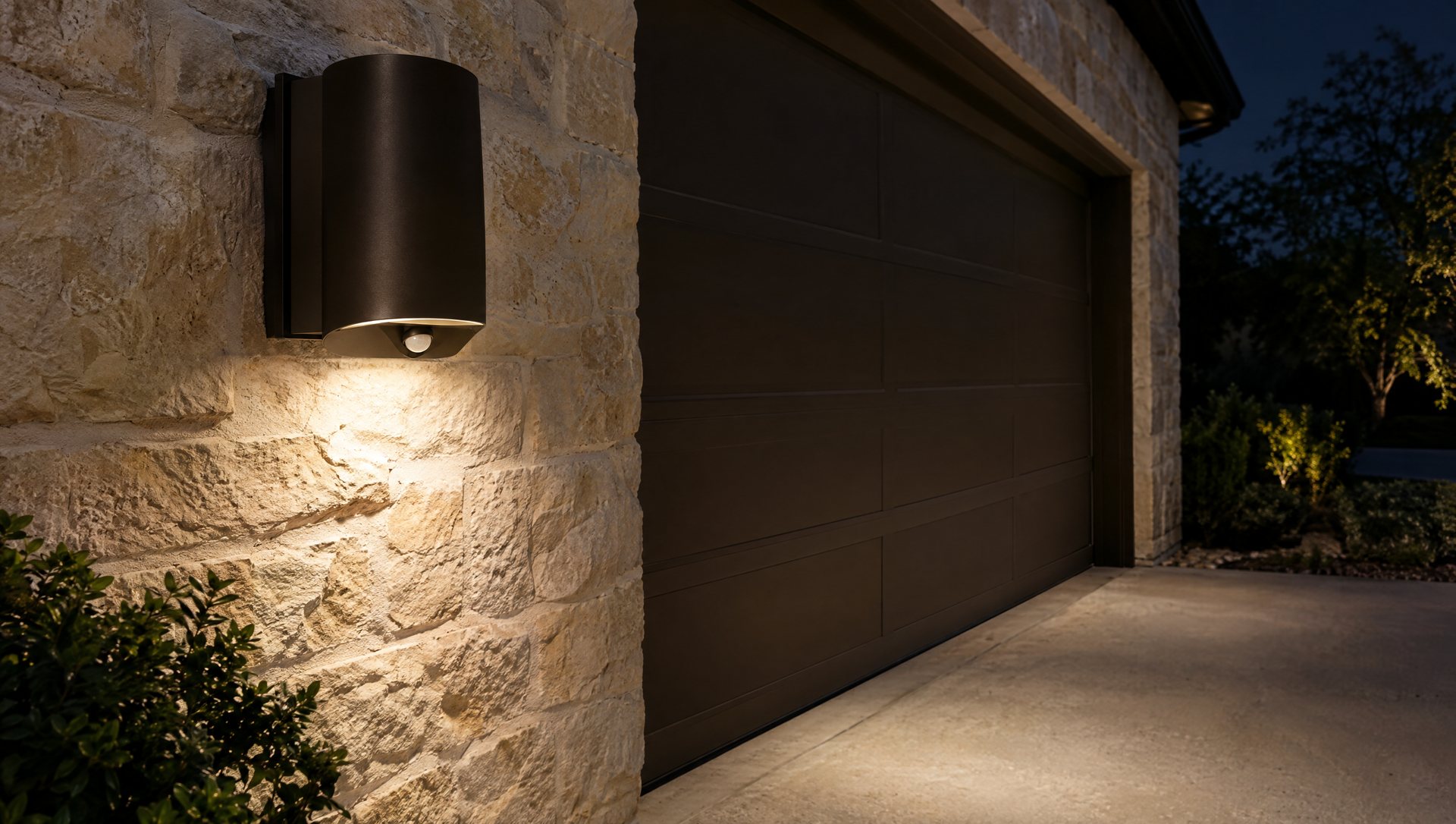
Building facades may be lit only with fully shielded or full cut-off fixtures that highlight specific architectural features. Signs and flagpoles may use directional fixtures that are not fully shielded, but only if those fixtures are aimed so they do not shine onto neighbors, roadways or the sky. Building plan applications must list every proposed and remaining fixture. Changing a fixture or light source after approval requires a change request to the city.
A typical existing single-family house in Austin is not reviewed under Subchapter E. For homeowners, the practical limits come from the energy and electrical codes at permit time, the HOA, and the neighbor. Austin’s street lights are a separate system run by Austin Energy, which we cover in Austin street lights: the good, the bad and the ugly.
The Hill Country dark-sky cities
West and north of Austin, several cities have earned International Dark Sky Community status, each backed by a lighting ordinance:
- Dripping Springs (2014, the first in Texas)
- Horseshoe Bay (2015)
- the Wimberley Valley (2018)
- Fredericksburg (2020)
- Blanco (2022)
- Bee Cave (2023)
Liberty Hill adopted its dark-skies ordinance in 2022 and applied for the designation after that.
Dripping Springs is the best-documented example and shows how far a city ordinance can go. Its lighting article (Article 24.06, as amended by Ordinance 2020-13) applies within city limits and includes:
- Shielding: outdoor fixtures must be shielded so the luminous elements are not visible from any other property, and no light may escape above horizontal. Uplighting is prohibited except under a structural shield with a stamped design.
- Color: fixtures over 3000K are prohibited, with narrow exceptions for older shielded fixtures.
- Lumen budgets: 25,000 lumens per net acre on residential property and 100,000 on nonresidential.
- Permits: installing more than 2,500 lumens of outdoor lighting within any 90-day period without a permit is an offense.
- Residential reach: home lighting must conform when it is attached to a construction project that requires a building permit. The light-trespass clause, which makes it an offense to shine light onto another property in a way that unreasonably interferes with its use, applies to everyone.
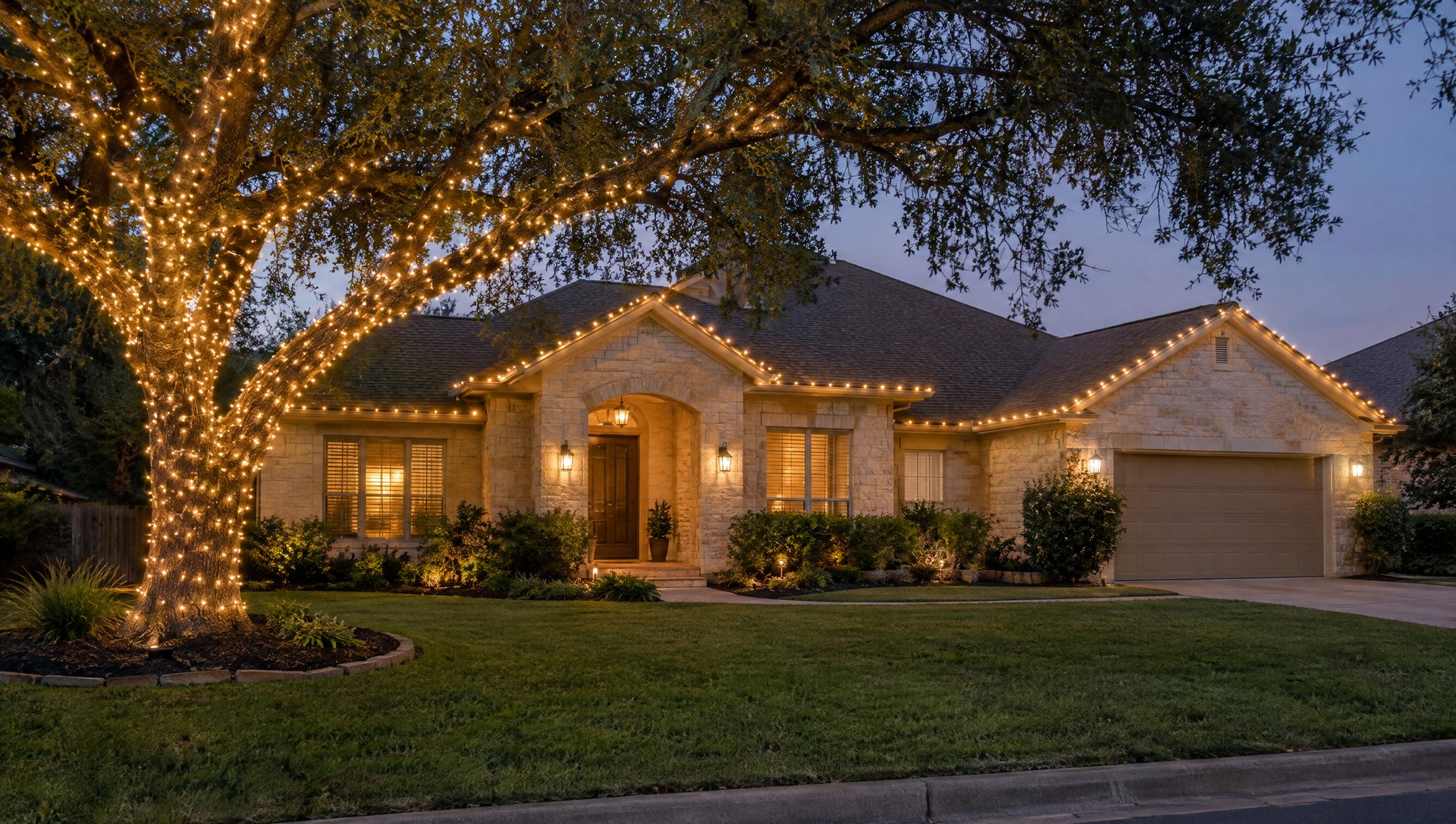
- Holiday lights: strings of small festoon bulbs at 3000K or below, and low-intensity mini lights or rope lights in warm colors (amber, gold, yellow, cream, red, orange or warm white) wrapped on a tree or post with layers at least six inches apart, are exempt from shielding.
That last rule is worth knowing before decorating in the Hill Country. Warm white mini lights wrapped on a live oak fit the exemption as written. Cool white or blue wraps do not appear on the list. The ordinance text we reviewed is the 2020 version, so confirm the current code with the city.
Worked example: a lumen budget on a quarter-acre lot
Take a 0.25-acre residential lot under a 25,000-lumen-per-acre cap like Dripping Springs’:
- Budget: 25,000 × 0.25 = 6,250 lumens
- Two garage coach lights at 800 lumens each: 1,600
- One porch light at 800 lumens: 800
- Two shielded LED floods at 1,500 lumens each: 3,000
- Total: 5,400 lumens, under budget with 850 to spare
Add a third flood and you are over. Install all of that within 90 days and you have crossed the 2,500-lumen permit trigger. The math takes five minutes with the lumen figures printed on each box, and it is the same math an inspector does.
Layer 5: The HOA and the neighbor
HOA covenants
Most Austin-area subdivisions have deed restrictions that cover exterior lighting, holiday displays, or both, such as fixture styles, holiday display dates, or a rule against lights shining onto common areas. Texas Property Code Chapter 202 governs how HOAs enforce these covenants. For most homeowners, the HOA is the lighting rule they are most likely to actually hear about. Read the covenants and any architectural guidelines before buying fixtures, and get written approval if the guidelines require it.
Light trespass and nuisance law
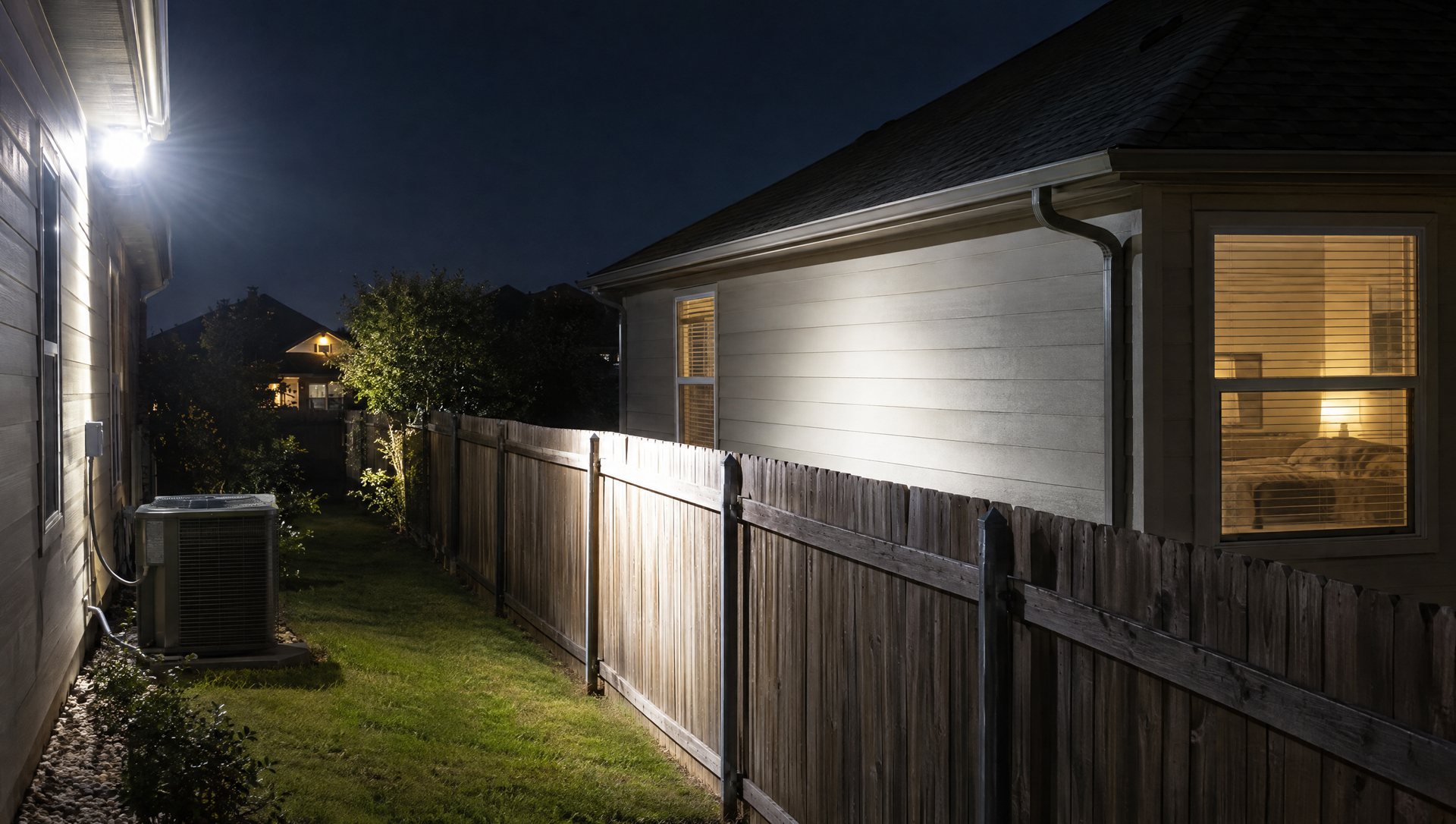
Texas has no statewide private light-trespass statute. A neighbor’s remedy is common-law nuisance. The Texas Supreme Court’s 2016 decision in Crosstex North Texas Pipeline v. Gardiner describes nuisance as a substantial interference with the use and enjoyment of property, and earlier cases frame it as causing unreasonable discomfort or annoyance to persons of ordinary sensibilities. A floodlight aimed into a bedroom window can get there. Our post on light trespass cases in Texas goes into how these disputes play out. The fix is usually cheap: aim the fixture down, add a shield, or swap to a fully shielded fixture, as described in our guide to outdoor light shields for glare.
Worked example: what an unshielded floodlight costs to run in Austin
A common complaint we see in Austin neighborhoods is the old dusk-to-dawn floodlight pointed across a side yard. Here is what it costs in electricity, using Austin Energy’s inside-city residential rates as published in October 2026:
- Energy charge, tier 3 (901 to 2,000 kWh a month, where many Austin homes land in summer): 7.901¢/kWh
- Power supply adjustment: 3.912¢
- Community benefit charges: 1.097¢
- Regulatory charge: 1.799¢
- All-in: about 14.7¢ per kWh
Running the light about 12 hours a night, 365 nights a year:
| Fixture | Watts | kWh per year | Cost per year at 14.7¢ |
|---|---|---|---|
| 150 W halogen PAR38 flood | 150 | 657 | about $97 |
| 15 W LED replacement | 15 | 66 | about $10 |
| 15 W LED on a motion sensor (about 1 hour a night) | 15 | 5.5 | under $1 |
The shielded LED on a sensor is the version every ordinance above prefers, and it is also the cheapest to run. A dark-sky rule rarely costs you money; the expensive part is the floodlight burning all night.
What about holiday and permanent lights?
No Texas statute regulates residential Christmas lights. In Austin, the rules that matter for holiday lighting are:
- HOA covenants, which often set display dates
- The electrical code, if you add outlets or circuits
- Nuisance law, if a display floods a neighbor’s bedroom
Permanent track lighting on a roofline is a permanent outdoor fixture, so it is worth checking HOA approval and, in a dark-sky city, the shielding and color rules before installing. Fixtures aimed down from under the eave with warm white scenes are easier to justify than bright uplighting. If you are weighing a permanent system, our permanent Christmas light installation guide and our explainer on IP ratings for outdoor fixtures cover the hardware side.
Vehicle lighting is its own body of law (Transportation Code Chapter 547, Vehicle Equipment), and Chapter 425 and the county lighting statutes specifically exclude it.
Planning holiday lights in Austin and want them done without HOA or neighbor headaches? See our Austin Christmas lights installation page or call (737) 777-9099.
Sources
- Texas Health and Safety Code, Chapter 425, Regulation of Certain Outdoor Lighting (Secs. 425.001 to 425.002). https://statutes.capitol.texas.gov/Docs/HS/htm/HS.425.htm
- Texas Local Government Code, Chapter 240, Subchapter B, Outdoor Lighting Near Observatories and Military Installations (Secs. 240.031 to 240.035). https://statutes.capitol.texas.gov/Docs/LG/htm/LG.240.htm
- Texas Local Government Code, Chapter 229, Subchapter B, Regulation of Outdoor Lighting (Secs. 229.051 to 229.055). https://statutes.capitol.texas.gov/Docs/LG/htm/LG.229.htm
- Texas House Bill 2857 (82nd Legislature, 2011), bill analysis. https://capitol.texas.gov/tlodocs/82R/analysis/html/HB02857S.htm
- Texas Health and Safety Code, Section 388.003, building energy efficiency standards. https://statutes.capitol.texas.gov/Docs/HS/htm/HS.388.htm
- Texas Register, October 24, 2025, SECO notice requesting comment on the 2024 IRC energy chapter and 2024 IECC. https://www.sos.state.tx.us/texreg/archive/October242025/In%20Addition/In%20Addition.html
- Texas Occupations Code, Chapter 1305, Sec. 1305.003 (exemptions). https://statutes.capitol.texas.gov/Docs/OC/htm/OC.1305.htm
- TDLR, Commission adopts rules: 2026 National Electrical Code, effective September 1, 2026. https://www.tdlr.texas.gov/news/rulemaking/2026/09/01/commission-adopts-rules-12/
- City of Austin Development Services, Building Technical Codes (2024 codes effective July 10, 2025; NEC 2026 effective September 1, 2026). https://www.austintexas.gov/development-services/building-technical-codes
- City of Austin Land Development Code, Chapter 25-2, Subchapter E, Section 2.5 Exterior Lighting (Ord. 20060831-068; Ord. 20130606-088), as reproduced in case C14-2024-0163 backup. https://services.austintexas.gov/edims/document.cfm?id=455624
- City of Dripping Springs, Article 24.06 Outdoor Lighting (as amended by Ordinance 2020-13), via Hill Country Alliance. https://www.hillcountryalliance.org/wp-content/uploads/2020/08/ARTICLE_24_06_OUTDOOR_LIGHTING-1.pdf
- McDonald Observatory, “McDonald Observatory, Partners Create World’s Largest International Dark Sky Reserve,” April 7, 2022. https://mcdonaldobservatory.org/news/releases/20220407
- Travel Texas, Dark Sky Communities in Texas. https://www.traveltexas.com/articles/post/dark-sky-communities-in-texas/
- Community Impact, “Liberty Hill leaders working to keep a twinkle in night sky,” December 2023. https://communityimpact.com/leander-liberty-hill/government/liberty-hill-leaders-working-to-keep-a-twinkle-in-night-sky/
- U.S. Department of Energy, General Service Lamps final rule, 89 Fed. Reg. (April 19, 2024). https://www.govinfo.gov/content/pkg/FR-2024-04-19/html/2024-07831.htm
- Austin Energy, Residential Rates (inside City of Austin). https://austinenergy.com/rates/residential-rates
- Crosstex North Texas Pipeline, L.P. v. Gardiner, 505 S.W.3d 580 (Tex. 2016). https://cases.justia.com/texas/supreme-court/10-0451.pdf